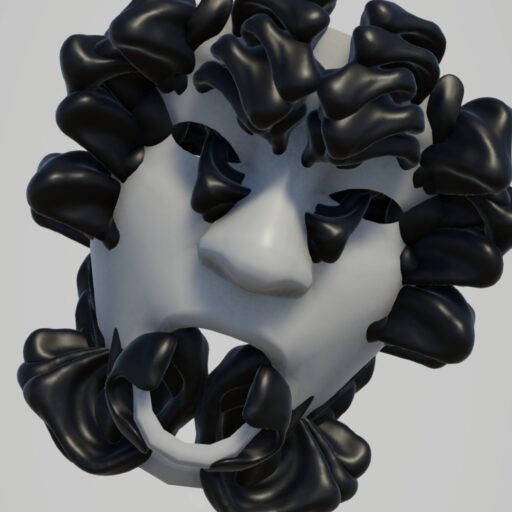
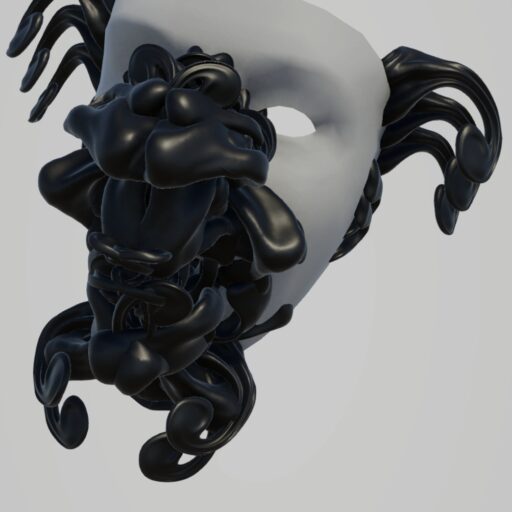
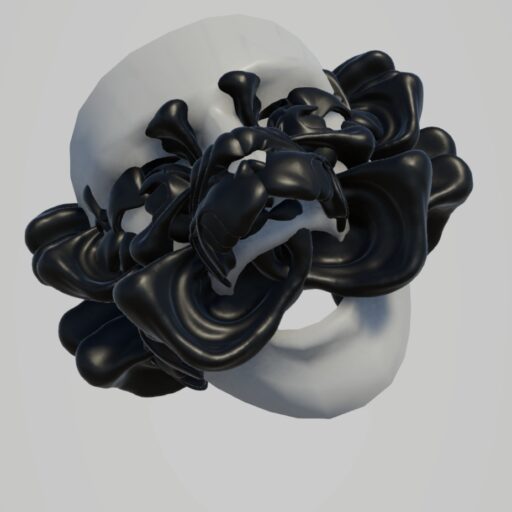
THE FALSE GODS*
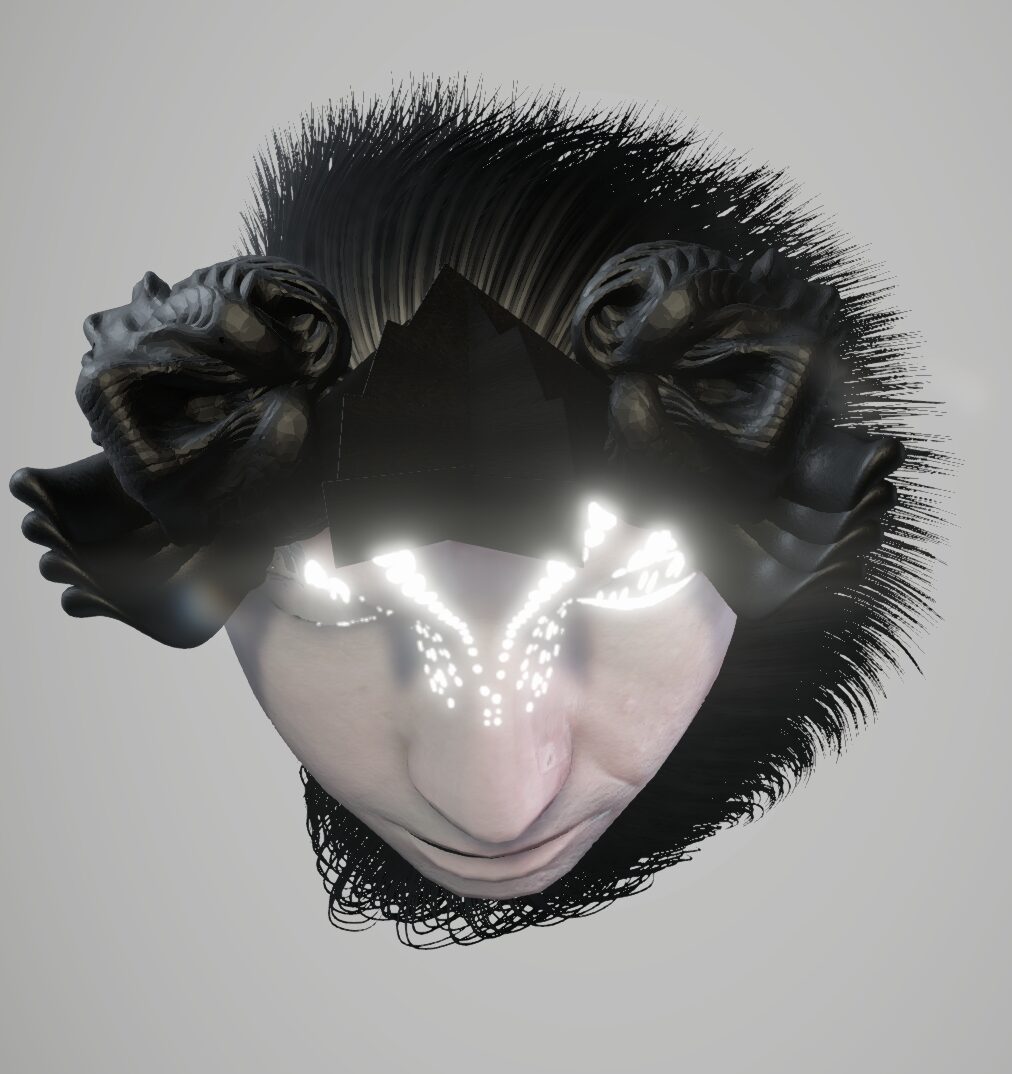
THE FALSE GODS is a camera-based face-tracking installation that answers each viewer with an individually generated digital mask.
*This piece is in development. Not yet finished.
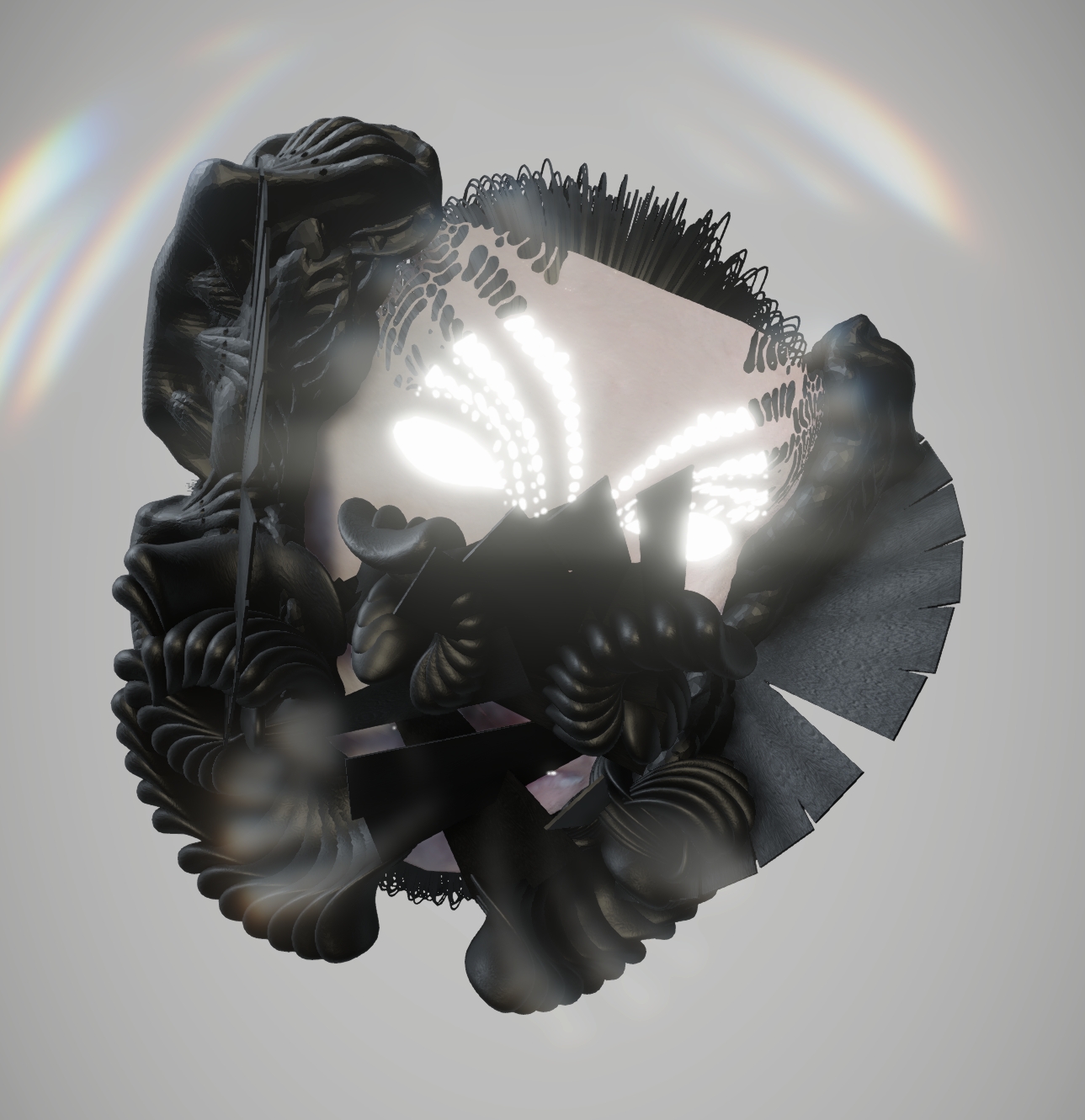
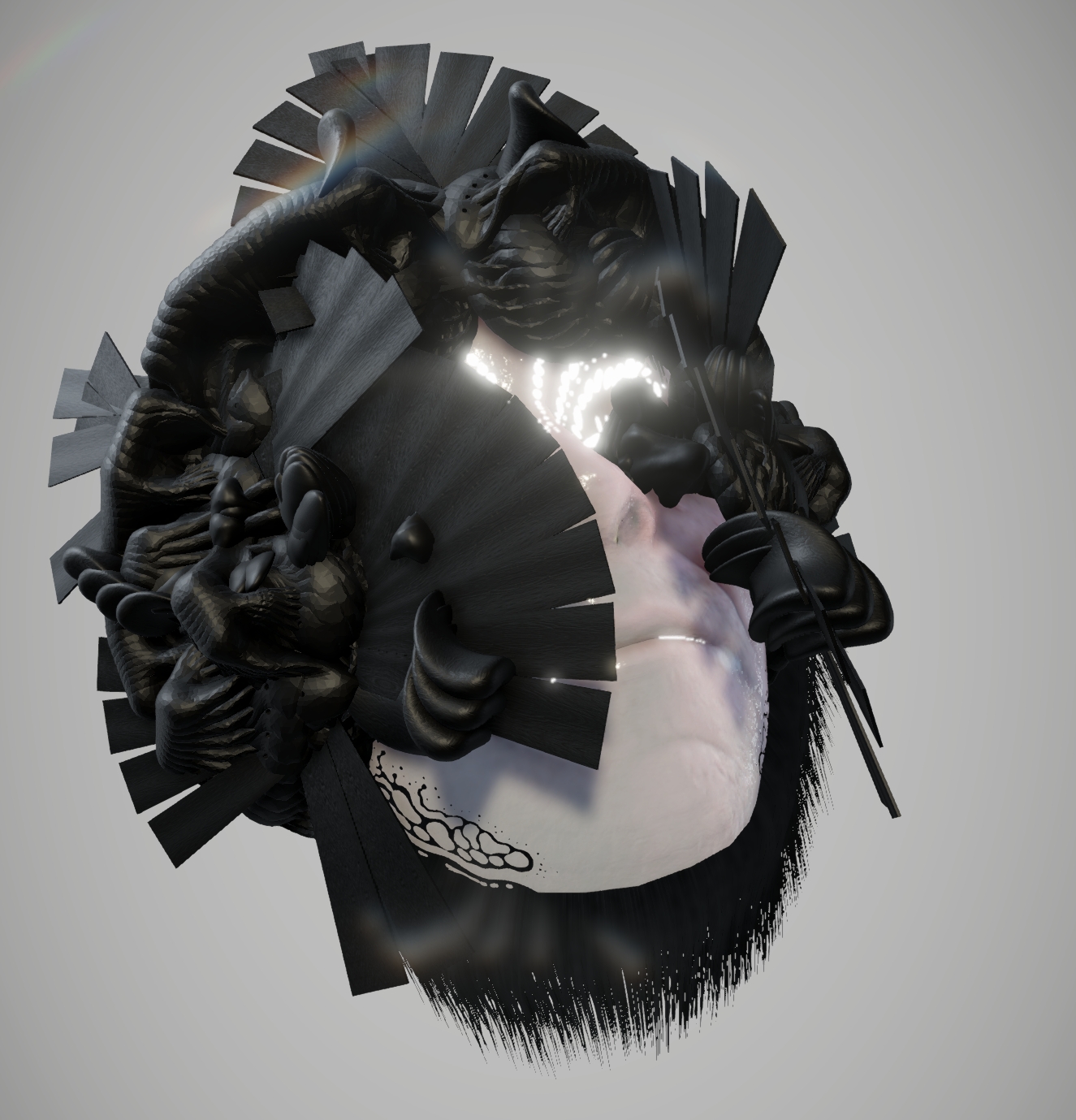
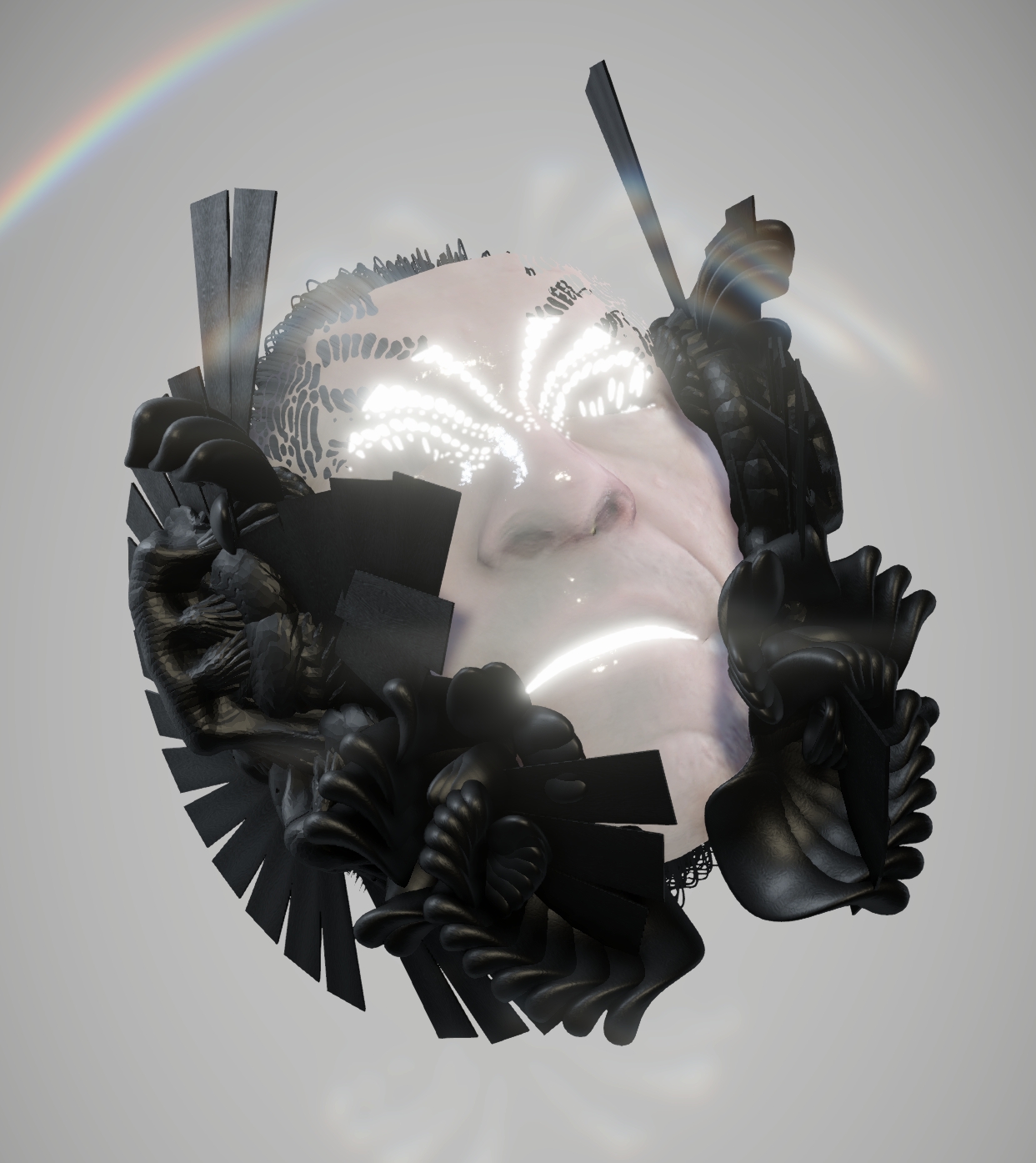
A mirror reflects our image back, but it’s not a neutral image, but rather a slight inversion and distortion of reality. Nevertheless, it remains a reflection: light that reverses.
Face tracking does something different. It reads. It breaks the face down into points, vectors, and probabilities and assembles a model from them. What appears on the display is not a reflection, but an estimate—the machine’s guess as to what a face should look like. An idol that does not know, but guesses.
The work amplifies a mask over this model: a digital twin, exaggerated, pompously adorned, seductive. The mirror reprentation moves like us and yet is not us. We recognize ourselves—and at the same time see that something is at play that we do not control.
Here, the old order of the mask is overturned. In many traditions, the god becomes present through the mask; the mask does not disguise, it makes the divine present. FALSE GODS turns this on its head: through the mask, a false god appears. And he is doubly false—we lose sight of ourselves in our embellished image, and we submit to the logic of the software that makes us readable.
Those who want to shake off the digital mask may shake their heads in reality. The projection briefly crumbles—but what appears beneath it is not the “real” thing. It is the raw feed, the next mask. There is no face to return to. Resistance fails not because the machine is too powerful, but because there is nothing behind it.
The question remains: why do we look inside anyway? What are we looking for in this mask? Which false god are we toiling away for?